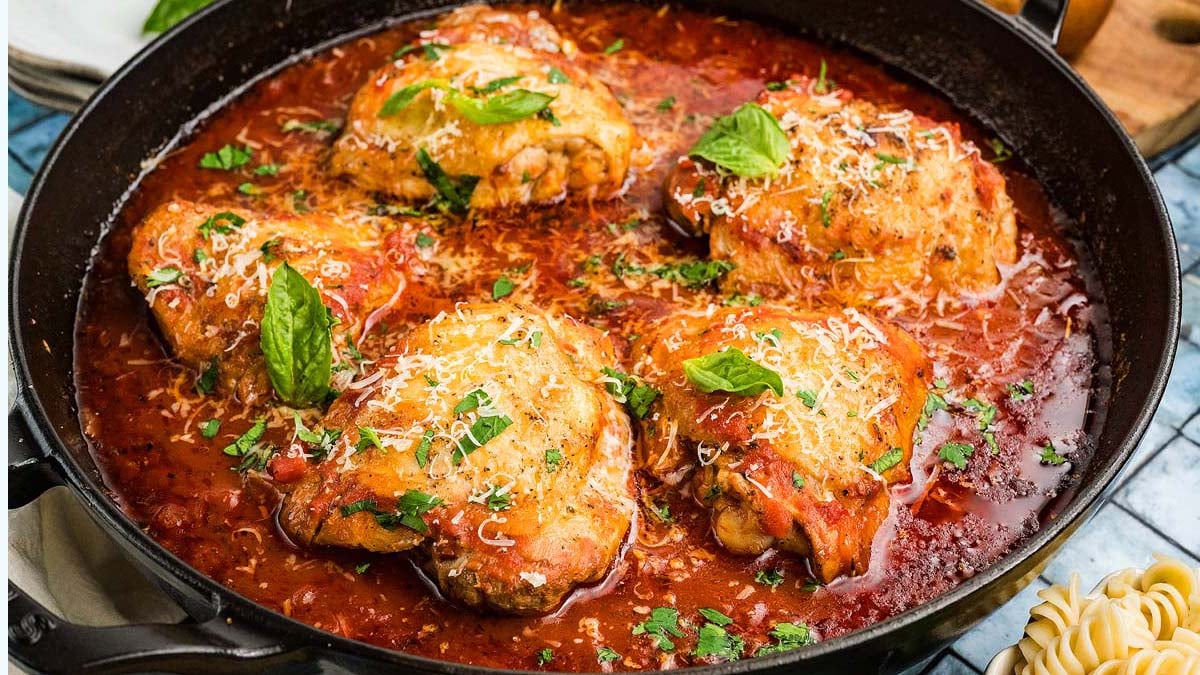
Few dishes capture the imagination, or the taste buds, quite like Chicken Diavolo. Literally translating to "Devil's Chicken," this classic Italian-American recipe promises an exhilarating culinary experience defined by its bold, fiery flavor profile and irresistibly crispy skin. Far from just a spicy dish, a perfectly executed chicken diavolo is a symphony of heat, aromatic herbs, and succulent chicken. If you're ready to unlock the secrets to creating this magnificent meal in your own kitchen, you've come to the right place. We're about to delve into the nuances that transform good chicken into truly perfect Devil's Chicken.
What Exactly Makes Chicken Diavolo So Fiery?
The essence of Chicken Diavolo lies in its name: a dish with a delightful, devilish kick. This heat isn't just about raw spice; it's a complex dance of flavors that excites the palate without overwhelming it. The primary source of this fire comes from chilies, typically a blend of fresh and dried varieties, combined with garlic, fragrant herbs, and a robust cooking method that sears in all the goodness.
- The Chili Factor: While red pepper flakes are a staple, many authentic recipes incorporate fresh chilies like Calabrian peppers, bird's eye chilies, or even a touch of habanero for a truly intense experience. The key is to balance the heat with other ingredients, ensuring it enhances, rather than masks, the chicken's natural flavor. For a deeper dive into its origins and characteristic spice, be sure to check out our article: What is Chicken Diavolo? History and Culinary Comparison.
- Aromatic Foundation: Beyond the heat, garlic plays a pivotal role, often used generously. Fresh rosemary and thyme are also non-negotiable, infusing the chicken with earthy, herbaceous notes that complement the spice beautifully.
- The Acidic Touch: A splash of lemon juice or zest, or even a hint of red wine vinegar, is often included in marinades or sauces. This acidity brightens the flavors and helps to tenderize the chicken.
Pro Tip: Customizing Your Spice Level
Don't be intimidated by the "devil" in the name! You have full control over the heat. For a milder version, reduce the amount of chili flakes and opt for less potent fresh chilies. For an inferno, increase the chilies and consider adding a dash of hot sauce to the marinade or serving. Remember, it's about finding your perfect level of fiery pleasure.
The Foundation: Choosing and Preparing Your Chicken
The success of your chicken diavolo starts with the chicken itself. While you can use various cuts, understanding their pros and cons will elevate your dish.
Choosing the Right Cut
- Whole Spatchcocked Chicken: Traditionally, chicken diavolo is made with a whole chicken that has been spatchcocked (butterflied). This method allows the chicken to lay flat, ensuring even cooking and maximum skin crispiness. It's ideal for grilling or roasting.
- Bone-In, Skin-On Thighs or Breasts: If you prefer individual portions or find spatchcocking daunting, bone-in, skin-on thighs or breasts are excellent alternatives. The bone adds flavor, and the skin is crucial for that signature crispy texture.
- Boneless Cuts: While less traditional, boneless, skinless chicken breasts or thighs can be used for a quicker cook. However, you'll sacrifice some flavor and that beloved crispy skin. If using breasts, consider pounding them to an even thickness for uniform cooking.
Essential Preparation Steps
- Pat Dry: Regardless of the cut, thoroughly patting the chicken dry with paper towels is paramount. Moisture on the skin prevents it from crisping up properly. This step is non-negotiable for achieving that desirable crunchy exterior.
- Scoring (Optional but Recommended): For thicker cuts or whole chickens, scoring the skin in a crosshatch pattern (without cutting into the meat) allows the marinade to penetrate better and helps fat render, leading to crispier skin.
- Brining (for Juiciness): For an extra juicy result, especially with leaner cuts like breast, consider a short brine (1-2 hours) before marinating. A simple brine of salt, sugar, and water can make a noticeable difference.
Mastering the Heat: Crafting the Perfect Marinade & Spice Rub
The marinade is where the magic truly happens, infusing the chicken with its signature diavolo flavor. This isn't just about heat; it's about a complex blend that penetrates the meat, ensuring every bite is flavorful.
Key Marinade Components
- High-Quality Olive Oil: Acts as a carrier for the flavors and helps tenderize the chicken.
- Garlic: Lots of it! Minced or crushed for maximum impact.
- Chilies: Fresh (finely chopped) and/or dried red pepper flakes. Consider a chili paste for depth.
- Fresh Herbs: Rosemary and thyme are classic choices. Finely chop them to release their essential oils.
- Acid: Lemon zest and juice provide brightness and help break down muscle fibers for tenderness. Red wine vinegar can also be used.
- Salt and Black Pepper: Essential for seasoning the chicken from within.
- Optional Additions: A touch of smoked paprika for depth, a pinch of oregano, or even a tablespoon of Dijon mustard for an extra layer of flavor.
Marinade Techniques
Combine all marinade ingredients in a bowl. For a whole spatchcocked chicken, generously rub the marinade all over, getting some under the skin if possible. For individual pieces, ensure they are thoroughly coated. Place the chicken in a sealed bag or covered dish in the refrigerator.
How Long to Marinate?
For optimal flavor, marinate your chicken diavolo for at least 2-4 hours. Overnight (8-12 hours) is even better, allowing the flavors to deeply penetrate the meat. Avoid marinating for more than 24 hours, as the acid can start to "cook" the chicken, altering its texture.
Pro Tip: Toasting Dried Chilies
For an extra layer of flavor, lightly toast dried red pepper flakes in a dry pan for a minute or two until fragrant before adding them to your marinade. This intensifies their flavor and aroma.
Cooking Your Chicken Diavolo to Perfection: Methods and Techniques
Once marinated, the cooking method is crucial for achieving that ideal balance of juicy interior and crispy, flavorful skin. Here’s how to nail it.
Grilling: The Traditional Path to Crispy Skin
Grilling is arguably the most traditional and rewarding method for chicken diavolo, imparting a beautiful char and unparalleled crispiness. Ensure your grill grates are clean and well-oiled.
- High Heat Start: Begin with high direct heat to sear the skin, about 5-7 minutes per side, until deeply golden and crispy.
- Indirect Heat Finish: Move the chicken to indirect heat, closing the lid, and cook until the internal temperature reaches 165°F (74°C) in the thickest part of the thigh, usually 30-45 minutes depending on the chicken's size. This slow finish ensures the meat cooks through without drying out.
Pan-Searing then Baking: The Home Kitchen Hero
This method is fantastic for achieving crispy skin in a home kitchen without a grill, especially for individual chicken pieces.
- Sear for Skin: Heat an oven-safe skillet (cast iron works best) over medium-high heat with a little olive oil. Place the chicken skin-side down and sear aggressively for 8-10 minutes until the skin is deeply golden brown and very crispy.
- Flip and Finish: Flip the chicken, then transfer the skillet directly to a preheated oven (around 375°F / 190°C). Bake for 20-30 minutes, or until the internal temperature reaches 165°F (74°C).
Oven Roasting: Simple and Flavorful
For a simpler approach, you can roast your chicken diavolo entirely in the oven. While it might not achieve the same intense crispiness as grilling or pan-searing, it still yields delicious results.
- High Initial Heat: Preheat your oven to a high temperature, around 400-425°F (200-220°C). This initial blast of heat helps to crisp the skin.
- Roast: Place the marinated chicken on a baking sheet or roasting pan. Roast for 45-60 minutes for a spatchcocked chicken, or 25-40 minutes for individual pieces, until cooked through. For more detailed instructions and alternative cooking ideas, our guide on Mastering Chicken Diavolo: A Spicy Italian Recipe Guide offers invaluable insights.
Crucial Step: Rest Your Chicken!
No matter the cooking method, always rest your chicken for 5-10 minutes after cooking. This allows the juices to redistribute, ensuring a more tender and moist result. Tent it loosely with foil to keep it warm.
Elevating Your Dish: Sides and Serving Suggestions
A perfectly cooked chicken diavolo deserves companions that complement its bold flavors without competing. Think simple, fresh, and slightly cooling elements.
- Starchy Sides:
- Roasted Potatoes: Simple roasted or smashed potatoes are a classic pairing, their mildness soaking up any delicious pan juices.
- Creamy Polenta: A bed of creamy polenta offers a comforting contrast to the chicken's heat.
- Crusty Bread: Perfect for mopping up every last bit of the flavorful marinade and juices.
- Fresh Vegetables:
- Sautéed Green Beans or Asparagus: Lightly cooked with garlic and a squeeze of lemon, they add freshness and a slight crunch.
- Simple Garden Salad: A crisp green salad with a light vinaigrette can provide a refreshing counterpoint.
- Broccoli Rabe: Sautéed with garlic, its slight bitterness pairs beautifully with the richness of the chicken.
- Garnishes: A sprinkle of fresh parsley or cilantro, extra lemon wedges, or a few more chili flakes for those who dare, can enhance both presentation and flavor.
- Beverage Pairings: A crisp, dry white wine like a Vermentino or Pinot Grigio can cut through the richness and heat. For beer lovers, a refreshing lager or a crisp IPA would be an excellent choice.
Mastering chicken diavolo is an incredibly rewarding culinary journey. From selecting the right cut of chicken and meticulously crafting a flavorful, fiery marinade to employing the perfect cooking technique for that coveted crispy skin, every step contributes to the ultimate dish. Don't be afraid to experiment with chili levels and herb combinations to make it truly your own. With these secrets in hand, you’re not just cooking a meal; you're creating an experience—a succulent, spicy, and utterly unforgettable chicken diavolo that will have everyone asking for seconds. Get ready to unleash the devilishly delicious flavors in your kitchen!
